Venetid el mondo

venetidelmondo is about what venice is beyond the tickets and the postcard scenes. here you’ll find how life really moves, what people care about, and where silence is still just silence.

“Between water and stone, a different rhythm takes shape.”

Living in Venice

Venice isn’t just a place—it’s a way of moving, pausing, and adjusting to a world shaped by water. Daily life depends on tides, footpaths, and the slow pace of boats. It’s quiet in ways that surprise newcomers, and full of small routines that shape how people live.

Movement

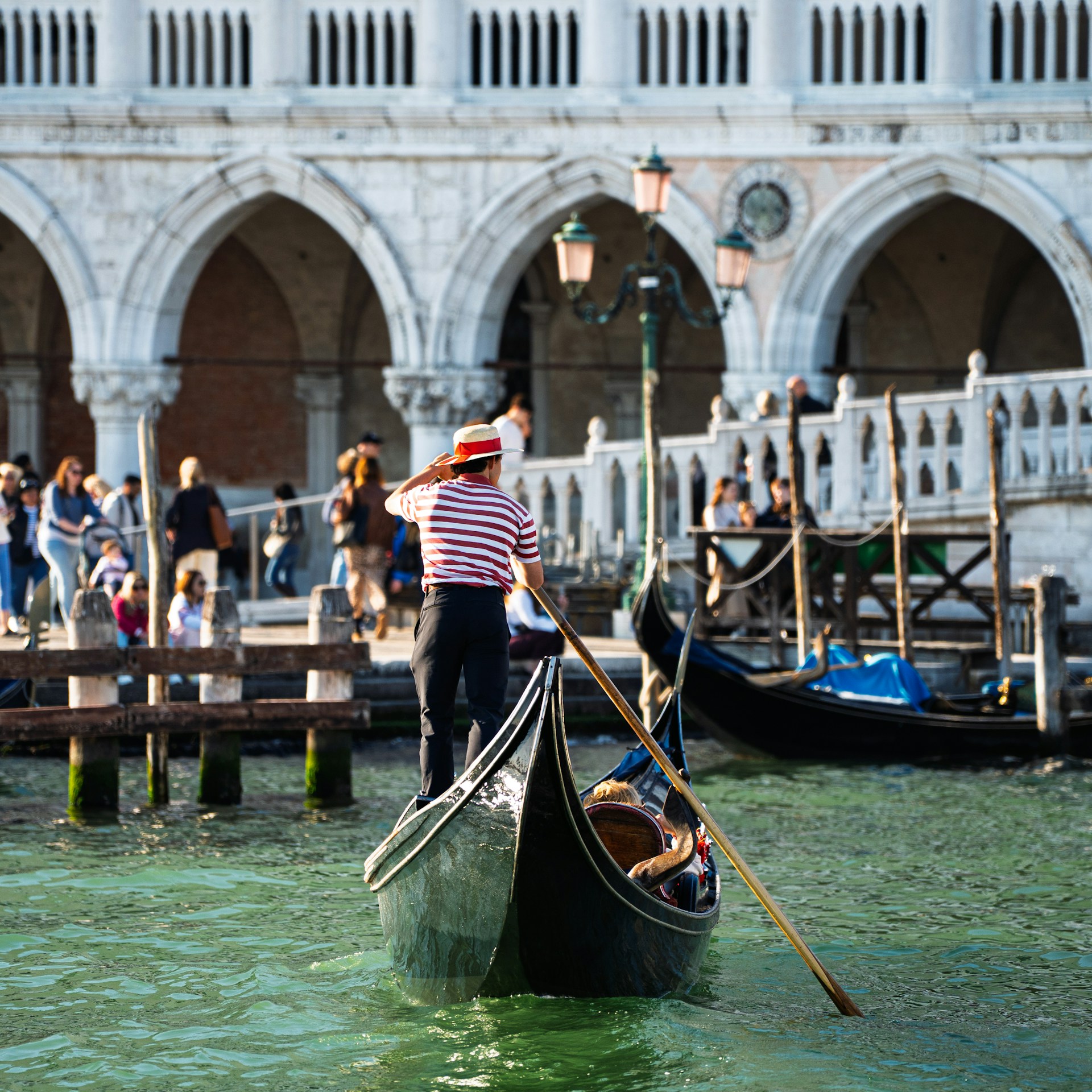
Getting around means walking or taking boats. There are no cars, no bikes. That changes how people plan their day, how groceries are bought, and how children get to school. Distance is measured in bridges and canals, not in kilometers.

Home

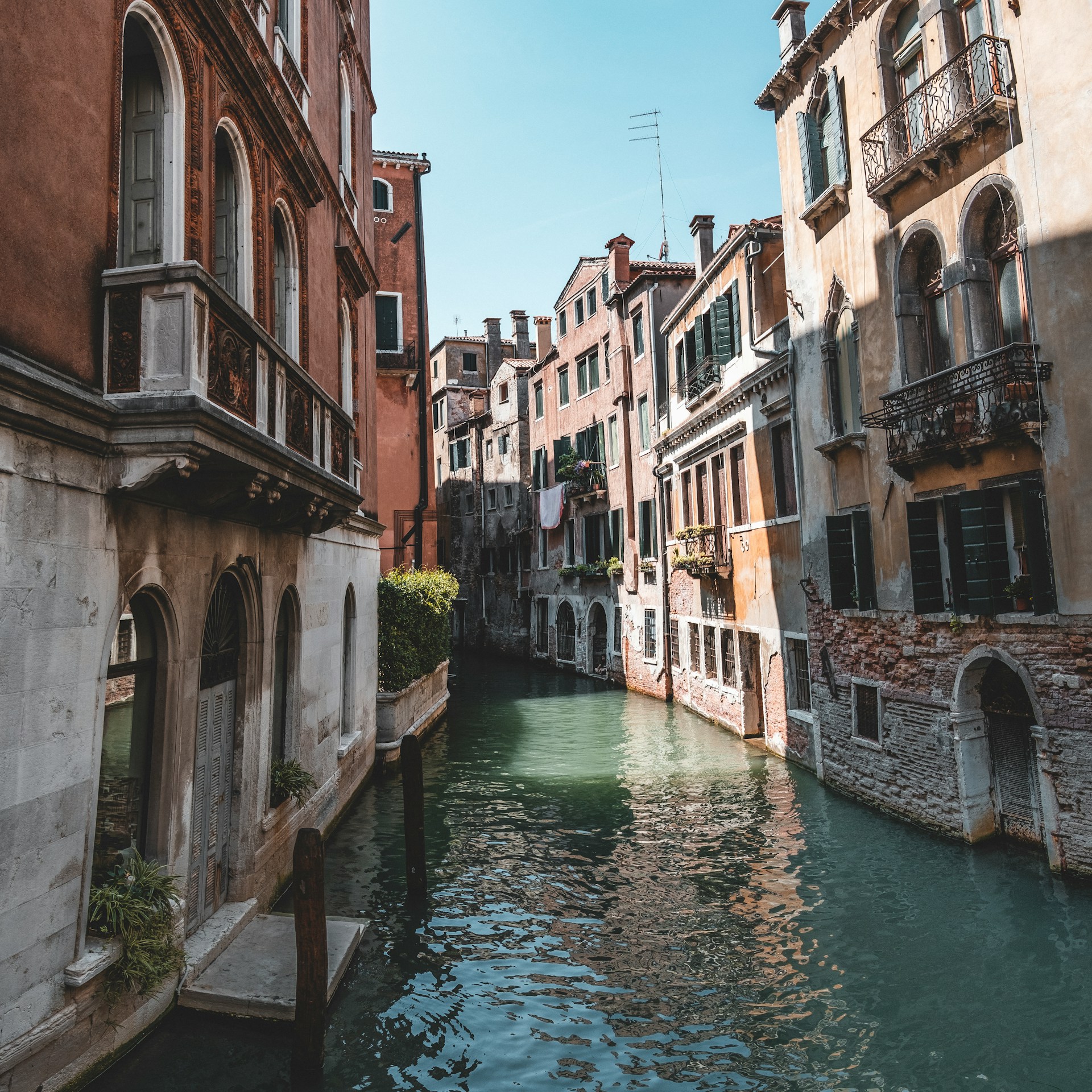
Most Venetians live in compact apartments. Courtyards and rooftops are shared spaces where neighbors talk. The buildings are old, but many families have been in the same home for generations, keeping a strong link with the past.

Work

Many people work in small shops, local services, or the public sector. Tourism plays a big role, but there are still artisans, boatbuilders, and teachers who help hold the city together outside of the tourist flow.

“What’s on the table says where you come from.”

Food and traditions

Season

Venetian food follows the rhythm of the lagoon and the seasons. In spring you’ll find artichokes from the island of Sant’Erasmo. In autumn, mushrooms and game show up at the market. People still shop for what’s fresh, not what’s packaged.

Ritual

Meals are tied to specific moments. On Sundays, families gather for lunch. During Carnival, fried treats like frittelle appear everywhere. Food marks time and memory—there are dishes only eaten at certain times of the year.

Place

Many recipes come directly from the sea and the land around Venice. Sarde in saor, risotto al gò, and baccalà mantecato each tell a story about survival, trade, and what people could grow or catch close to home.

“Stillness begins where the vaporetto stops.”

The hidden islands

Beyond the well-known spots, the lagoon holds dozens of islands, each with its own pace. Some are almost empty, others have a few families, a garden, or a monastery. They offer a different kind of silence.

Torcello

Once the heart of the lagoon, now nearly deserted. Torcello has one church, one bridge, and a deep sense of time standing still. It’s where Venice began, but feels far away from the city it became.

Mazzorbo

Next to Burano but quieter, Mazzorbo is home to vineyards and gardens. Locals grow vegetables and raise artichokes here. It’s a place of work more than sightseeing.

Deserto

A small island with a Franciscan monastery. It’s only open at certain times, and visitors are welcomed into silence. The monks care for the land, the church, and a rhythm of prayer that hasn’t changed in centuries.

Pellestrina

A narrow strip between lagoon and sea. Pellestrina is a fishing village where life moves with the tides. Bicycles and boats are the main ways to get around. Time feels slower here, but not stuck.

“Every bridge carries stories not found in books.”

History of the city

Origins

Venice began as a refuge. People fleeing invasions built homes on wooden stilts among the marshes. Over time, these scattered settlements grew into a city held up by trees, stone, and shared effort.

Trade

By the Middle Ages, Venice had become a major trade power. Ships left for the East, bringing back silk, spices, and knowledge. Wealth built palaces, but also a web of connections far beyond Italy.

Decline

The city lost power slowly, through wars, shifting trade routes, and political changes. Yet it remained standing—physically and culturally. Its buildings carry the weight of that long memory, even now.